
Spring is well and truly here — the days are getting longer, the sun has been appearing more, and that persistent chill and rain is finally loosening its grip (for now). With the warmer months ahead, DraughtBusters is pausing draughtproofing referrals until Autumn. But before we put down our draught sealant for the season, we wanted to share some quick reflections on what we saw this past winter.
UPVC: More Problems Than Ever
This year we noticed a marked increase in failing UPVC windows and doors compared to previous seasons. It’s a pattern worth paying attention to.
Windows were presenting with: friction stays that were stiff or broken, preventing proper closure; handles that had lost their grip; brittle rubber seals; and, a perennial frustration, trickle ventilators that let in cold air even when supposedly fully closed.
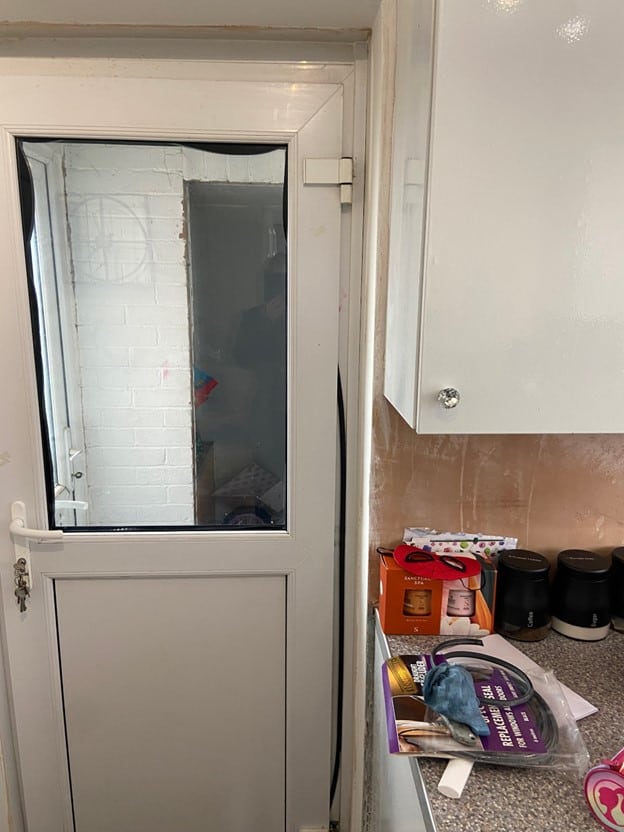
Doors (including French doors) told a similar story: hinges that were difficult or impossible to adjust; doors that had gone out of square under the weight of their own glazing; missing or brittle seals; misaligned latch keeps; worn cams and threads on supposedly adjustable fittings; multipoint locking systems that had given up the fight; draughty letterplate flaps; and gaps under sills and around frames.
If you have UPVC windows or doors that aren’t closing or sealing properly, the summer months are a good time to look into your options — whether that’s getting professional help, or exploring some basic adjustments yourself.
Damp and Mould
A few households we visited were dealing with damp and mould — most likely caused by condensation. This is one of those situations where the solution is often behavioural (ventilation habits, heating patterns, moisture management) rather than structural. We always take time to explain this, and we carry leaflets to support residents in making those changes. If you’re unsure what’s causing damp in your home, do look out for our resources on our Learning pages.
A Bigger Problem: Tile-Hung Bay Windows
Do you have a tile-hung bay window? If so, there’s something you should know.
Behind those tiles, there’s often no membrane — and even where one exists, it’s rarely draught-proof. Insulation is the exception rather than the rule. But the bigger issue is the floor joists: in a typical tile-hung bay, the joists extend out from the main house structure to support the bay floor. This creates a direct path for cold air to travel from the bay window void into the first-floor void, cooling the ceiling above your lounge and the floor of the bedroom above.
In one property we previously worked on, when the tiles were removed, you could see daylight from a bay window on the opposite side of the house. The entire first-floor void was effectively acting as a wind tunnel.
If you have this setup, you now have a whole summer to investigate and address it. This kind of structural draught-proofing is beyond DraughtBusters’ scope, it’s major works, but knowing it’s there is the first step. A good insulation contractor or retrofit assessor would be the right person to talk to.
Until Autumn…
Thank you to everyone who got in touch, nudged or referred others, shared our details, and welcomed us into their homes this winter. The work matters, both for comfort and for reducing wasted energy use in homes that need it most.
Referrals reopen in Autumn. In the meantime, visit draughtbusters.net for resources, or spread the word to anyone who might benefit or like to volunteer when we’re back.