
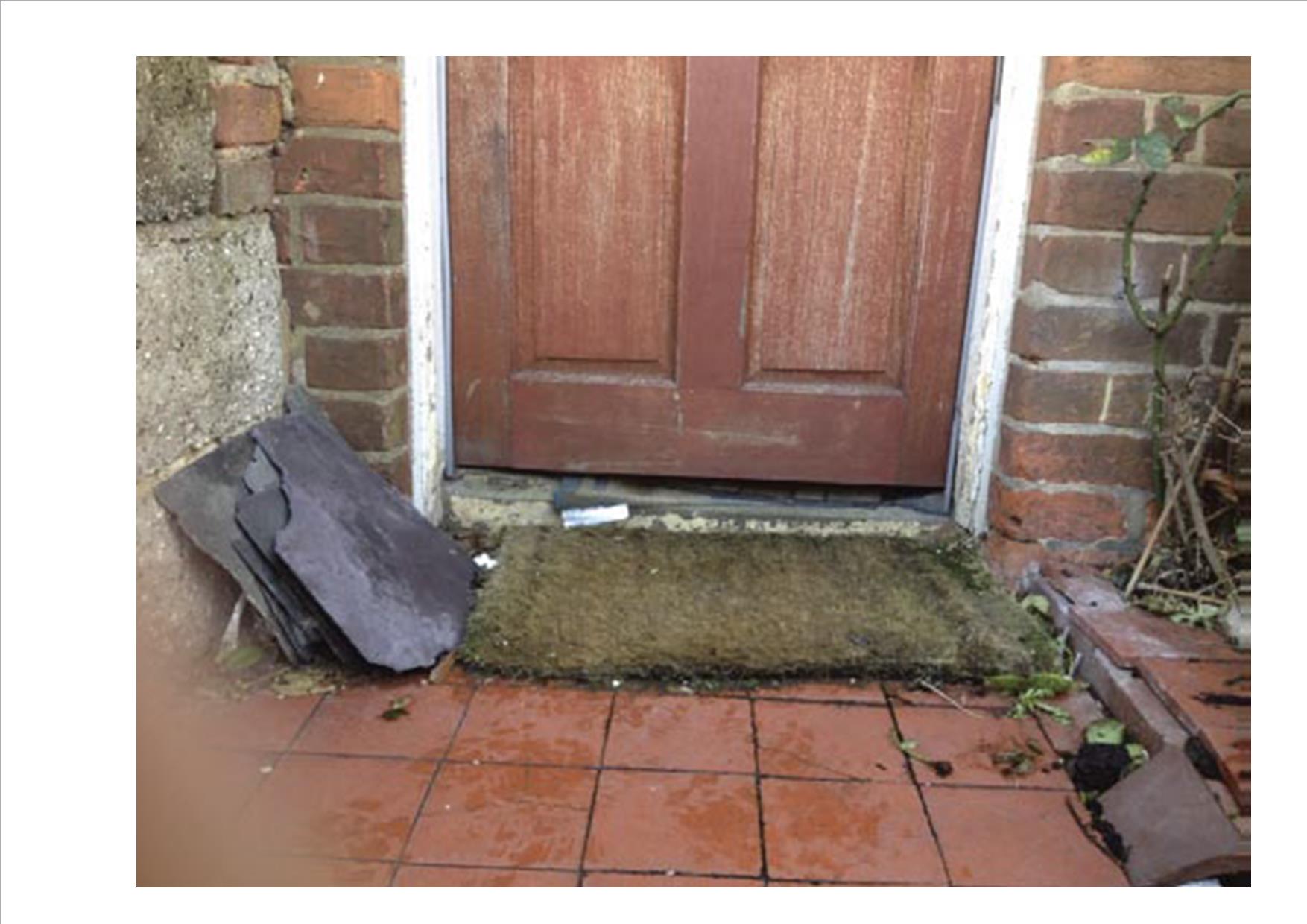
With the first snowfall of the season in Reading and temperatures dropping, many may be feeling the chill creeping through gaps around windows, doors, and floors. But staying warm at home doesn’t have to mean sky-high heating bills. Whether you need support with draughtproofing or want to tackle it yourself, there are practical steps everyone can take to keep the cold out.
Free Draughtproofing Support from DraughtBusters Reading
DraughtBusters Reading is a community organisation providing completely free draughtproofing services to households in need. Our volunteer team visits homes across Reading, bringing all the tools and materials needed to seal draughts and improve warmth.
The service is particularly for those experiencing energy poverty, but we may be able to help others. There are no hidden costs, no requirements to jump through hoops—just genuine community support to help you stay warm this winter.
How to access support:
You can be referred to DraughtBusters through several trusted local organisations:
- Reading Council’s Energy Support Team: Call 0118 937 3747 or email energysupport@reading.gov.uk
- Reading Citizens Advice: Call 0808 278 7819
- Your GP, local church, debt advice agency, or community charity
Once referred, you’ll join our queue and be offered an appointment when we reach you. Our typical visit takes about an hour to an hour and a half. We’ll assess your home, discuss the best solutions with you, and complete the draughtproofing work on the spot. Before we leave, we’ll also share tips on heating management, ventilation, and preventing condensation.
5 Things You Can Do to Draughtbust Your Home
If you’re able to do some DIY work, here are five practical steps you can take to reduce draughts in your home ( you can also find out lots more deatail and further advice throughout our website):
1. Tackle Windows and Doors
Ill-fitting windows and doors are among the most common sources of draughts. Check the gaps around frames and where doors meet their frames. You can use self-adhesive foam strips, brush strips, or rubber seals to block these gaps. The materials are available from local hardware shops or DIY stores. Make sure to position draught strips correctly on the jamb side—this is one of the most frequently misplaced fixes!
2. Seal Floor Gaps
Gaps between floorboards or along skirting boards can let in surprising amounts of cold air. For wooden floors, you can use flexible sealant or decorators’ caulk to fill smaller gaps. Larger gaps might need wood filler or specialised floor gap fillers. Remember to maintain ventilation under suspended timber floors—these voids need airflow to stay healthy.
3. Check Your Loft and Ceiling Level
Warm air rises, so gaps at the ceiling and loft level can waste significant heat. Look for gaps around loft hatches, light fittings, and where pipes or cables pass through ceilings. Use draught-proofing strips around loft hatches and appropriate sealants for other gaps, but be careful not to block necessary ventilation for your roof space.
4. Seal Gaps in External Walls
Look around windows, doors, and anywhere pipes enter your home through external walls. A caulking gun with decorators’ caulk or silicone is your friend here. These small gaps might seem insignificant, but together they can account for substantial heat loss. A kitchen scouring pad is useful for cleaning surfaces before applying sealants so they stick properly.
5. Address That Unused Fireplace
If you have a fireplace you don’t use, it can be a major source of draughts and heat loss. Consider fitting a chimney balloon or having it professionally sealed (we’ve used an old pillow wrapped in a couple of back bin liner sacks in the past during Winter). This single action can make a noticeable difference to warmth and heating bills.
The Balance Between Draughtproofing and Ventilation
One important note: while sealing draughts is excellent for warmth and efficiency, every home needs controlled ventilation to maintain air quality and prevent condensation and damp. Draughts are uncontrolled air movement, while ventilation is intentional and necessary. When draughtproofing, don’t seal up bathroom and kitchen extractor fans, trickle vents in windows that still open and close well, or underfloor ventilation for timber floors.
Why Draughtproofing Matters
Beyond the immediate benefit of a warmer home and lower bills, draughtproofing is one of the quickest and most accessible ways to reduce your household’s energy use and carbon emissions. Research suggests draughts can account for 10% of total heat loss in a typical house—much more if there’s an unused fireplace.
By taking action now while the cold snap is with us, you’ll feel the difference immediately and continue to benefit throughout the winter months ahead.
Get Support or Get Involved
Whether you need help draughtproofing your home, want to learn more through our community workshops, or are interested in volunteering with us, DraughtBusters Reading is here for our community.
Visit our website at draughtbusters.net for detailed DIY guides, videos, and more information about our services.
Together, we can keep Reading warm, reduce energy waste, and support our neighbours through the coldest months.
DraughtBusters Reading is a voluntary organisation committed to helping households stay warm while reducing energy use and carbon emissions. Our services are free for those who need it most across our diverse Reading community.